seven things Kids First never forces
7 Things We Never Force at Kids First
Discover seven things Kids First never forces and how we support each child’s comfort and confidence. Learn more about our child-centered approach at Kids First.
When people hear "ABA," some still picture a child being made to sit at a table and repeat a task until they comply. That isn't how we work at Kids First Services. ABA works best when it's built on trust, choice, and a child who wants to be in the session. So we decided to put it in writing: here are the things we don't force.
1. Eye contact
Many kids find eye contact uncomfortable or even painful. Looking away doesn't mean they aren't listening. We teach communication in ways that work for the child, not ones that just look "typical" to adults.
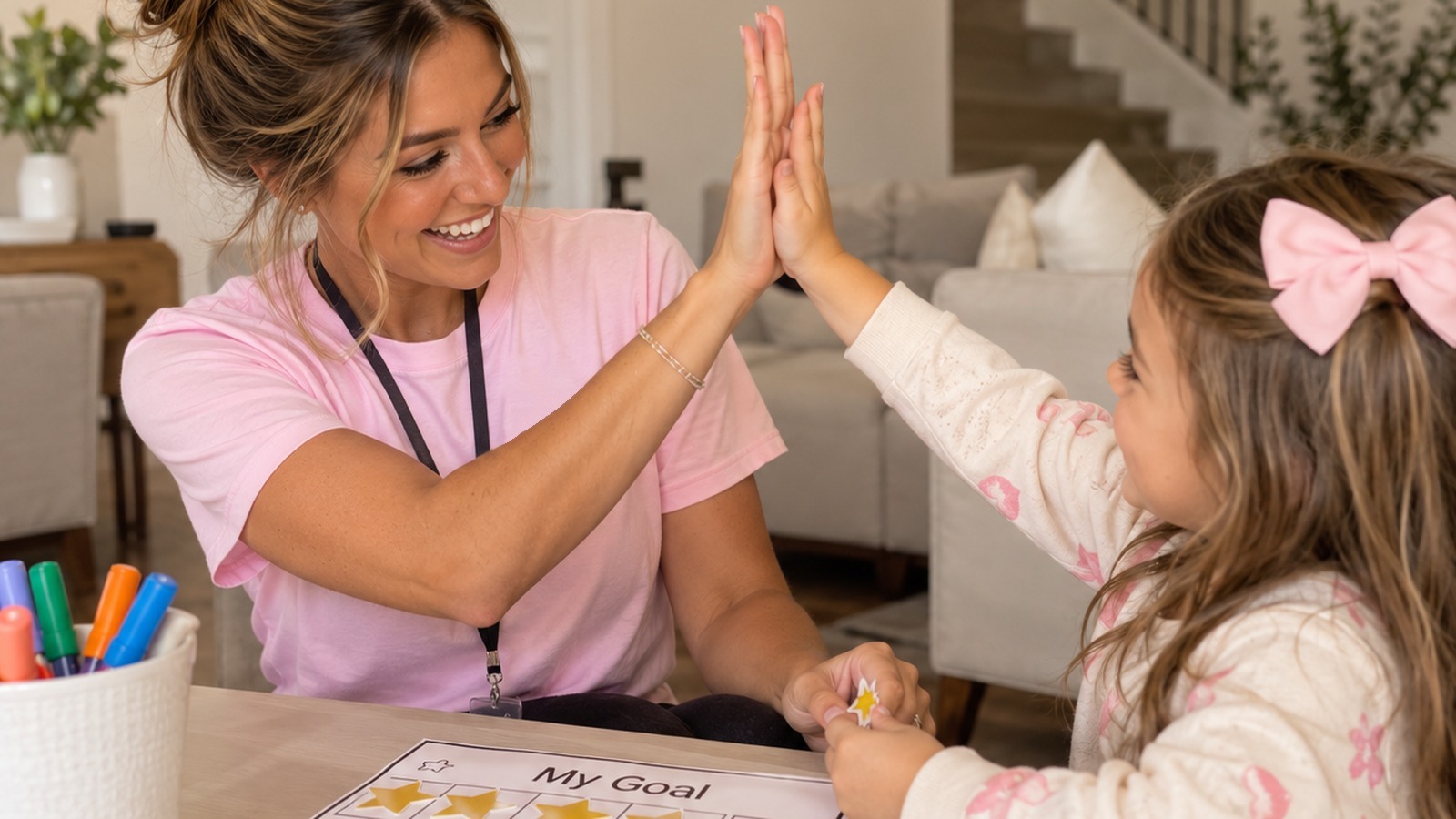
2. Hugs, high-fives, or physical affection
A child's body belongs to them. We never require a hug, a high-five, or a touch to "earn" something or to say goodbye. Learning that they can say no to touch is a safety skill, too.
3. Stopping harmless stimming
Hand-flapping, rocking, humming, and other stims often help kids regulate. If it's safe and not getting in the way of their life, it's not ours to take away. We only step in when a stim is unsafe or truly getting in the way, and we make that call with the family.
4. Sitting still to learn
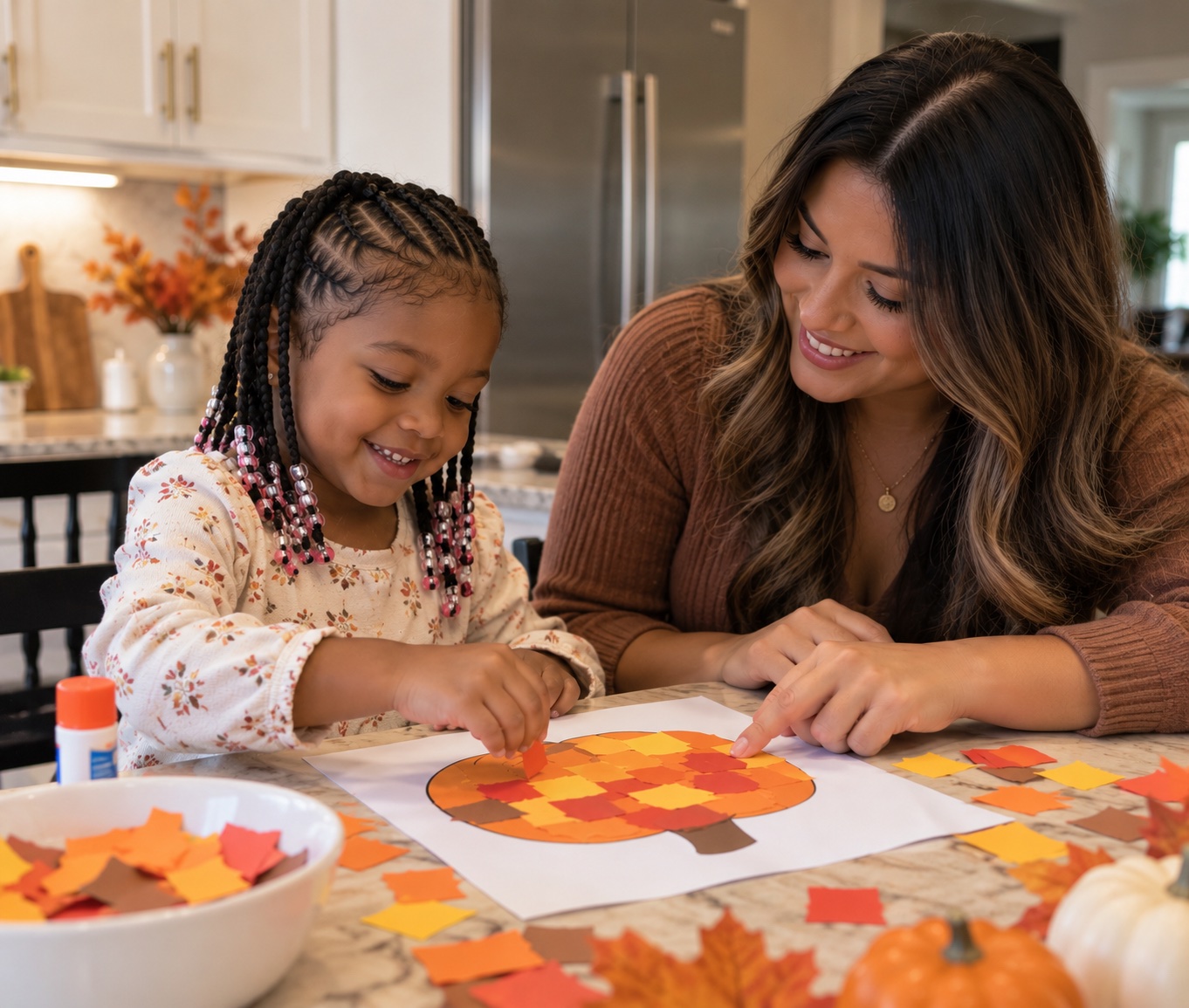
Some kids learn best on the floor, on the move, or upside down on the couch. Since we work in homes, we meet kids where they are — literally. Learning can happen anywhere.
5. Pushing through a "no"
When a child pulls away, cries, or clearly says no, we listen. We pause, check in, and figure out what's going on. Maybe the task is too hard, they're tired, or they need a break. Assent (a child's willingness to take part) matters, and a child who feels heard learns more. The one exception is safety: if a child is about to get hurt, we step in first and check in after.
6. Hiding who they are
Our goal isn't to make a child look less autistic. It's to help them communicate, be safe, build independence, and enjoy their life — as themselves.
7. One-size-fits-all goals
We build goals with families, around what matters in their home and their child's world. When kids and teens can tell us what they want to work on, their voice shapes the goals too. No cookie-cutter programs.
So what do we do?
We build rapport first. We follow the child's interests, offer real choices, and make sessions something kids look forward to. We celebrate progress — big and small — and we keep parents and caregivers involved every step of the way.
Looking for ABA for your child?
Call our intake team at (844) 543-7178 or email intake@kidsfirstservices.com.
Want to work with a team like this?
If you're an RBT or BCBA who believes ABA should feel safe, kind, and fun, we'd love to meet you. Kids First Services provides in-home ABA for children, teens, and young adults up to age 21 with a special focus on military families. We're always looking for people who put kids first. Visit our careers page to learn more or apply. Still comparing employers? Read 5 Green Flags to Look for in an ABA Workplace.